- The House Appropriations Committee advanced its FY 2027 HHS funding bill, proposing $110.8 billion in discretionary funding.
- The bill would provide $48.8 billion for NIH, a $100 million increase over FY 2026 funding levels.
- Several health agencies would face funding reductions, including HRSA and CDC.
- The proposal would eliminate funding for AHRQ.
- The Senate has yet to release its FY 2027 HHS bill, leaving time for continued advocacy on STS priorities.
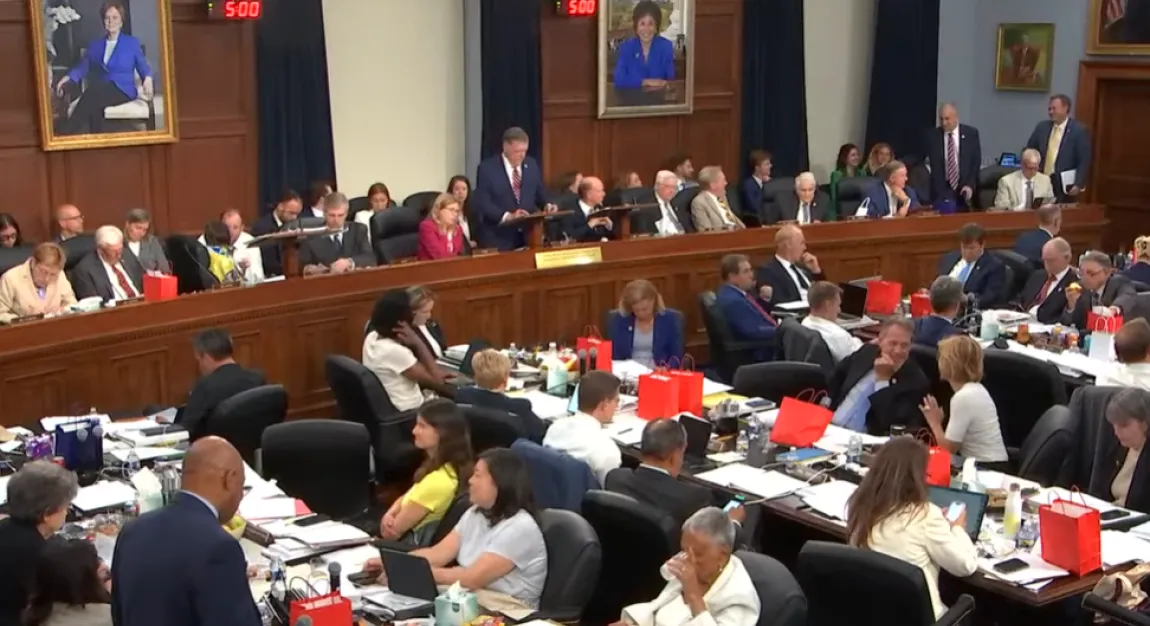
Earlier this month, the House Committee on Appropriations marked up its fiscal year (FY) 2027 appropriations bill for the Department of Health and Human Services (HHS). The House bill would provide $110.8 billion in discretionary funding for HHS, a reduction of $4 billion.
The bill would include $48.8 billion for the National Institutes of Health (NIH), an increase of $100 million over FY26 funding levels. This is a win for STS members who advocated for increased NIH funding at the 2026 Advocacy Conference.
The legislation also proposes funding cuts for several agencies and programs. The Health Resources and Services Administration (HRSA) would receive $7.6 billion, a decrease of $440 million from FY26, while the Centers for Disease Control and Prevention (CDC) would receive $8.1 billion, a reduction of $1 billion. Most concerning, the bill would eliminate funding for the Agency for Healthcare Research and Quality (AHRQ).
These proposed reductions are broadly consistent with the House Appropriations Committee’s approach in the previous fiscal year. By contrast, last year the Senate Appropriations Committee advanced legislation that provided higher funding levels for HHS programs and maintained support for AHRQ, a priority supported by STS.
The Senate has not yet introduced its FY27 HHS appropriations legislation, leaving an opportunity for continued advocacy on STS priorities, including preserving and strengthening federal investments in healthcare research and public health programs. Learn more.