NEW ORLEANS—January 31, 2026—A late-breaking study drawing on more than 15 years of national outcomes data from the STS Adult Cardiac Surgery Database (ACSD) suggests that the two most commonly used multi-arterial coronary artery bypass grafting (CABG) strategies—bilateral internal thoracic artery (BITA) and single internal thoracic artery plus radial artery (SITA+RA)—offer comparable long-term survival overall, with important differences emerging by patient age.
NEW ORLEANS—January 31, 2026—Heart specialists at Mayo Clinic today presented new research at the 2026 Society of Thoracic Surgeons Annual Meeting that redo surgery for adults with congenital heart disease (CHD) remains high-risk, and a clinically applicable national risk assessment model is needed to help patients and care teams make decisions about procedures.
NEW ORLEANS—January 31, 2026—Breakthrough research presented at the 2026 Society of Thoracic Surgeons Annual Meeting shows that additional lymph node evaluation is needed during surgery for non-small cell lung cancer (NSCLC) to accurately identify cancer spread.
On Saturday, Jan. 31 at 2:45 p.m., during the “Adult Congenital Heart Disease” session, Jennifer Nelson, MD, of Nemours Children’s Hospital will present Indications and Timing of Pulmonary Valve Replacement in Repaired Tetralogy of Fallot. Her talk will highlight a new, comprehensive body of work designed to bring greater clarity and consistency to decision-making around pulmonary valve replacement (PVR) for one of the largest populations of patients living with repaired congenital heart disease.
Image
Dr. Jennifer Nelson
PVR is a common and critical intervention for patients with repaired tetralogy of Fallot (TOF) and clinically significant pulmonary regurgitation; however, indications and timing have varied widely across practice settings. To reduce this variability, The Society of Thoracic Surgeons (STS), in collaboration with the World Society of Pediatric and Congenital Heart Surgery (WSPCHS) and the European Congenital Heart Surgeons Association (ECHSA), developed a three-part series of complementary clinical practice documents: Clinical Practice Guidelines, a pediatric-focused Expert Consensus Document, and an Expert Opinion paper on the role of exercise testing.
Developed through a rigorous literature review, adherence to PRISMA methodology, and a modified Delphi consensus process, these documents synthesize available evidence and expert judgment to establish practical, consensus-based recommendations.
Key considerations include symptoms, MRI-based ventricular assessment, arrhythmia risk, and procedural factors, emphasizing individualized, data-driven decisions over single thresholds. “Routine, standardized measurement during long-term follow-up is essential,” says Dr. Nelson, who also highlights the role of multidisciplinary review and exercise testing in revealing unrecognized functional limitations.
The new guidance incorporates emerging MRI-based evidence linking ventricular changes to mortality and supports earlier consideration of pulmonary valve replacement in select asymptomatic adults. It also emphasizes that arrhythmia risk persists after intervention, reinforcing the need for continued surveillance.
Together, this three-part series provides an updated framework to guide clinicians caring for children and adults with repaired TOF, balancing evolving evidence with real-world clinical complexity. “These recommendations matter because they should change practice,” Dr. Nelson adds. “They help clinicians better identify the right patient and the right time for pulmonary valve replacement, with the goal of improving long-term outcomes while minimizing unnecessary risk.”
On day two of the 62nd Annual Meeting in New Orleans, co-lead authors Subhasis Chatterjee, MD, of Baylor College of Medicine, and Stefano Schena, MD, PhD, of the Medical College of Wisconsin, presented a summary of The Society of Thoracic Surgeons’ (STS) 2026 Clinical Practice Guidelines for the Prevention and Treatment of New-Onset Postoperative Atrial Fibrillation after Cardiac Surgery. Their presentation highlighted a comprehensive, surgery-specific framework designed to address new-onset postoperative atrial fibrillation (POAF), the most common complication following cardiac surgery.
To develop the guidelines, the STS Workforce on Evidence-Based Surgery convened a multidisciplinary panel to review contemporary evidence and generate practical, consensus-based recommendations focused specifically on POAF after cardiac surgery. Using a phase-based approach that spans the preoperative, intraoperative, and postoperative periods, the group synthesized data from randomized and observational studies and graded recommendations using standardized methods based on AATS/EACTS/ESTS/STS harmonization guidelines1.
The final document includes a total of 15 recommendations: eight on preventive strategies, three on intraoperative adjunctive procedures, and four on postoperative management. Key guidance includes two Class I recommendations addressing perioperative oral amiodarone and rhythm cardioversion for hemodynamically unstable POAF. Two Class IIa recommendations supporting posterior pericardiotomy and perioperative beta-blockers. Eight Class IIb recommendations reflected areas of uncertainty and limited data. Three Class III recommendations addressed therapies without demonstrated benefit.
Image
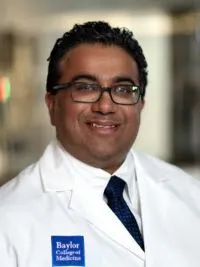
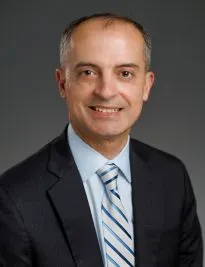
Dr. Subhasis Chatterjee
A central theme of the guidelines is transparency around uncertainty and an emphasis on meaningful patient outcomes. “One of the goals of these guidelines was not to promote a single dominant therapy,” said Dr. Chatterjee, “but to provide a structured, phase-based approach that can reduce unwarranted practice variation while still allowing clinical judgment.” He emphasized that POAF should be viewed as a marker of perioperative vulnerability rather than an isolated rhythm disturbance, identifying patients at higher risk for complications and future atrial arrhythmias. This perspective supports targeted surveillance and follow-up rather than reflexive escalation of therapy.
The document also underscores that POAF is distinct from preexisting atrial fibrillation, with different mechanisms, natural history, and management implications. Core strategies include careful rhythm monitoring, early rate or rhythm control, and individualized anticoagulation decisions, while acknowledging persistent uncertainty around optimal anticoagulation timing and duration, arrhythmia burden, and the role of adjunctive surgical interventions.
Image
Dr. Stefano Schena
Dr. Schena highlighted how the guideline development process itself reshaped the panel’s collective thinking. “When we started this project, all nine members had their own way to address atrial fibrillation occurring de novo after cardiac surgery,” he said. “The time spent discussing and reviewing helped us recalibrate our stance and recognize how limited the evidence truly is for many commonly used interventions.” He noted that while no single strategy eliminates POAF, its clinical impact can be significantly reduced through a combination of measures applied across the preoperative, intraoperative, and postoperative phases of care. He also emphasized that the long-term implications of POAF in patients without prior atrial fibrillation remain uncertain and must be weighed against individual patient risk factors.
Together, the guidelines provide a pragmatic framework that clinicians can operationalize across the surgical continuum. By emphasizing evidence-based practices, openly acknowledging uncertainty, and discouraging ineffective interventions, the document aims to support thoughtful clinical decision-making and improve outcomes for patients undergoing cardiac surgery.
1: Milojevic, M., Freemantle, N., Hayanga, J. A., Kelly, R. F., Myers, P. O., Petersen, R. H., ... & Bakaeen, F. G. (2025). Harmonizing guidelines and other clinical practice documents: A joint comprehensive methodology manual by the American Association for Thoracic Surgery (AATS), European Association for Cardio-Thoracic Surgery (EACTS), European Society of Thoracic Surgeons (ESTS), and Society of Thoracic Surgeons (STS). The Journal of thoracic and cardiovascular surgery, 169(1), 170-185.
On Friday, Jan. 30, at 9:30 a.m., Stephanie Worrell, MD, of the University of Arizona, presented STS Perforation Guidelines during the "Esophageal Perforation Management" session. Her talk introduced a new Society of Thoracic Surgeons (STS) Expert Consensus Document designed to improve the diagnosis and management of esophageal perforation, a rare but potentially fatal condition.
Image
Dr. Stephanie Worrell
Esophageal perforation, often a complication of endoscopic procedures, requires early diagnosis, as mortality and morbidity increase if treatment is delayed beyond 24 hours. Despite advances in treatment, management remains inconsistent due to the condition’s rarity and limited clinical data.
To address this gap, the STS convened a multidisciplinary panel of thoracic surgeons and gastroenterologists, who reviewed studies from the past 14 years to develop consensus statements on diagnosis, treatment, and long-term care. For stable patients with confirmed perforation, the consensus supports endoscopic therapies when matched appropriately to anatomy and operator expertise. Surgical intervention remains essential for unstable patients or complex cases.
In her talk, Dr. Worrell discussed how the guidelines provide clarity in clinical scenarios that often prompt uncertainty. “These recommendations clarify when further investigation is appropriate and when it’s safe to observe or discharge,” she said. She notes that the guidelines are particularly valuable for conditions like spontaneous pneumomediastinum where further workup may be unnecessary. Additionally, there is now strong data for CT esophagrams and growing evidence for endoscopic approaches that are not yet used consistently.
STS Award recognizes groundbreaking scientific contributions that advance cardiothoracic surgery
Cardiothoracic surgeon Michael J. Mack, MD, was given the Earl Bakken Scientific Award at The Society of Thoracic Surgeons’ Annual Meeting in 2026 in New Orleans today, recognizing a career defined by transformative leadership, surgical innovation, and a lasting impact on cardiovascular medicine.
Image
Earl Bakken Scientific Award Winner Dr. Michael Mack
Dr. Mack is internationally renowned for his pioneering contributions to minimally invasive cardiac surgery and valvular heart disease therapies, particularly transcatheter aortic valve replacement (TAVR). Over more than four decades in practice, he has played a central role in reshaping the treatment of complex cardiovascular disease by bridging the disciplines of cardiac surgery and interventional cardiology.
“Dr. Michael Mack’s career exemplifies visionary leadership and collaborative innovation,” said STS President Joseph F. Sabik III, MD. “His influence extends far beyond the operating room—through landmark clinical trials, guideline development, and the ‘heart team’ model that has become the standard of care worldwide. His work has fundamentally changed how we treat patients with structural heart disease.”
A key hallmark of Dr. Mack’s career has been his leadership in pivotal clinical trials that have redefined cardiovascular care. He played critical roles in the SYNTAX Trial, which compared percutaneous coronary intervention with coronary artery bypass grafting in patients with complex coronary artery disease, and the PARTNER Trials, which established the safety and efficacy of TAVR and accelerated its adoption into mainstream practice. These studies helped shape contemporary guidelines and expanded life-saving treatment options for patients previously considered inoperable or high risk.
Dr. Mack has authored or co-authored more than 400 peer-reviewed journal articles and numerous book chapters, with scholarship spanning coronary artery bypass surgery, transcatheter valve therapies, minimally invasive surgical techniques, outcomes research, and clinical practice guideline development. His work includes major contributions to expert consensus documents endorsed by leading cardiovascular societies and the development of risk models used widely in clinical decision-making.
Currently, he serves as Medical Director of Cardiovascular Surgery for Baylor Scott & White Health and Chairman of the Baylor Plano Research Center at The Heart Hospital Baylor Plano in Texas. He is also principal investigator for the Baylor Core Clinical Center of the National Institutes of Health–funded Cardiothoracic Surgical Network (CTSN), awarded in 2013, supporting large-scale, multicenter clinical research in cardiac surgery.
Throughout his career, Dr. Mack has balanced high-volume clinical practice with academic leadership. He has performed thousands of cardiac operations, with well over 4,000 involving heart valve procedures, and has been a global advocate for less invasive approaches that improve recovery and outcomes for patients.
In addition to his clinical and scientific achievements, he has held numerous leadership roles in professional societies. He served as STS president in 2011 and is a past president of The Thoracic Surgery Foundation (formerly the Thoracic Surgery Foundation for Research and Education), the Southern Thoracic Surgical Association, and the International Society for Minimally Invasive Cardiothoracic Surgery. He has also served on the American College of Cardiology Foundation Board of Trustees and multiple ACC, STS, and FDA committees.
This award recognizes Dr. Mack’s profound and enduring influence on cardiothoracic surgery, his role in advancing collaborative, evidence-based care, and his unwavering commitment to innovation. His career stands as a testament to how collaboration, rigorous science, and patient-centered thinking can redefine an entire field.
The Earl Bakken Scientific Achievement Award was established in 1999 through a grant from Medtronic, Inc. to honor individuals who have made outstanding scientific contributions that have enhanced the practice of cardiothoracic surgery and patient quality of life. The award was named for Medtronic co-founder Earl Bakken. Among numerous other achievements, Bakken developed the first wearable artificial pacemaker.
During the Airway Issues session on Friday, Jan. 30 at 1:30 p.m., Joseph Nellis, MD, of Duke University Medical Center, will present the Richard E. Clark Memorial Paper, Impact of Preoperative Tracheostomy on Outcomes Following Congenital Cardiac Surgery: A Study of the STS Congenital Heart Surgery Database, at STS 2026. In this presentation, Dr. Nellis will examine how preoperative tracheostomy affects outcomes following congenital cardiac surgery, an area with limited prior data despite longstanding concerns about risk in this population.
Image
Dr. Joseph Nellis
Congenital cardiac surgery patients with preoperative tracheostomy represent a small but increasingly recognized group with complex medical needs. To better understand how tracheostomy status influences surgical outcomes, Dr. Nellis and colleagues analyzed national registry data spanning a decade of congenital cardiac operations, comparing patients with preoperative tracheostomy to those without this airway history.
Overall, patients with preoperative tracheostomy experienced higher rates of postoperative complications, readmissions, and mortality compared with those without tracheostomy. Even after accounting for differences in baseline risk, preoperative tracheostomy remained associated with an increased likelihood of infection-related complications and early mortality, though it was not linked to longer hospital stays or higher overall morbidity.
In his presentation, Dr. Nellis will outline the implications these findings inform risk stratification and surgical planning for children with complex airway and cardiac disease. He emphasizes that while preoperative tracheostomy identifies a higher-risk patient population, it should not, by itself, exclude patients from consideration for definitive congenital cardiac surgery.
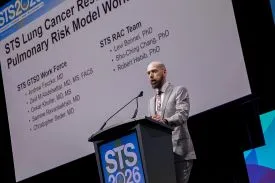
As part of the “Research in Focus: Landmark Science & Technology” session on day one of the STS meeting, Andrew Feczko, MD, of Cleveland Clinic presented the STS Landmark paper titled Lung Cancer Resection Longitudinal Risk Model. In his presentation, Dr. Feczko described the development and validation of a robust, data-driven model designed to predict long-term survival following curative-intent lung cancer resection—an area of growing importance as survival improves and quality benchmarking extends beyond perioperative outcomes.
Image
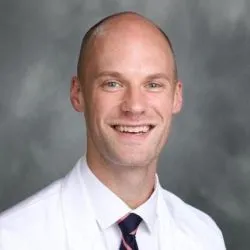
Dr. Andrew Feczko
Drawing on the Society of Thoracic Surgeons General Thoracic Surgery Database, the investigators analyzed outcomes from a large, contemporary cohort of adults who underwent lung cancer resection. By linking STS data with national mortality sources, the team was able to assess survival over an extended follow-up period and construct individualized risk predictions across pathologic stages. Patients were divided into derivation and validation cohorts to ensure the model’s generalizability, and advanced statistical techniques were used to account for differences in risk over time.
The resulting longitudinal risk model demonstrated strong discrimination and excellent calibration, accurately aligning predicted survival with observed outcomes across multiple time points and disease stages. Risk scores were closely associated with long-term survival, effectively stratifying patients into distinct prognostic groups. Importantly, the model’s performance improved further when postoperative complications were incorporated, highlighting the lasting impact of perioperative events on long-term outcomes.
Dr. Feczko emphasized that this work addressed a critical gap in thoracic surgery by extending risk assessment beyond short-term mortality. As the field increasingly focuses on survivorship, quality improvement, and informed shared decision-making, the availability of validated long-term survival models represents a significant advance.
With this study, the STS General Thoracic Surgery Database now offers thoracic surgeons both short- and long-term risk prediction tools to support self-evaluation, programmatic quality improvement, and future research—reinforcing its role as the authoritative national resource for thoracic surgical outcomes.
NEW ORLEANS—January 29, 2026—At the 2026 Society of Thoracic Surgeons (STS) Annual Meeting, investigators will present a late-breaking study focused on surgical aortic valve replacement (SAVR) following prior transcatheter aortic valve replacement (TAVR), a clinical scenario increasingly encountered as TAVR use expands. The analysis draws on data from the STS Adult Cardiac Surgery Database to characterize risk over time and to validate a dedicated STS risk model designed to support decision-making for patients requiring surgery after TAVR.
On Thursday, January 29, the Society of Thoracic Surgeons (STS), in collaboration with the International Society for Heart and Lung Transplantation (ISHLT), hosted the inaugural STS/ISHLT Lung Transplantation Symposium as part of the STS 62nd Annual Meeting. This full-day specialty session provided a practical, multidisciplinary review of contemporary lung transplantation, covering donor selection through long-term management with an emphasis on intraoperative decision-making and complex clinical scenarios.
“Through its practical, comprehensive approach, the symposium offered attendees an in-depth perspective on modern lung transplantation,” said organizing chair Kewal Krishan, MD. “The program equipped surgeons and care teams with strategies for both routine and highly complex cases.”
The program combined didactic lectures, live debates, and case-based panels to highlight advances in donor management, organ preservation, surgical techniques, and perioperative care. Attendees earned CME credits while engaging in detailed discussions of common challenges in lung transplantation surgery.
Sessions delivered a case-based overview across the operative spectrum—from donor management and organ preservation to complex intraoperative rescue. Faculty reviewed retrieval strategies in donation after brain death and circulatory death, surgical implantation techniques, perioperative anesthesia and hemodynamic management, and the use of ECMO or cardiopulmonary bypass. Advanced scenarios, including robotic, redo, and heart–lung transplantation, concluded with interactive discussions focused on real-world, high-risk cases.
(OAKBROOK TERRACE, Illinois, January 29, 2026) — Joint Commission has partnered with two leading, highly respected medical specialty societies, The Society of Thoracic Surgeons (STS) and the American College of Cardiology (ACC), to leverage clinical performance data for a new cardiac care certification driven by measures of patient outcomes.