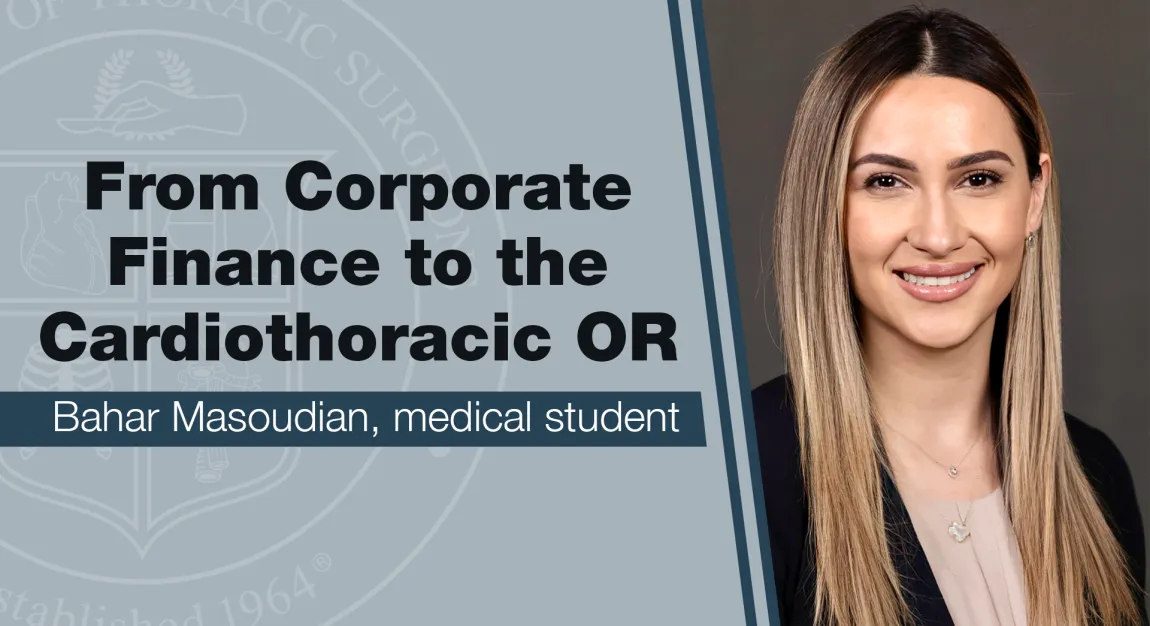
A nontraditional path into medicine can still lead to belonging and opportunity in cardiothoracic surgery.
The STS Looking to the Future Scholarship creates intentional, welcoming spaces for early trainees.
Mentorship and human connection at the STS Annual Meeting transformed doubt into possibility.
As a first-generation immigrant, the first in my family to graduate from college, and now the first to pursue medicine, my path has been anything but traditional.
Before medical school, I spent nearly a decade working in corporate finance. I never imagined I would one day be standing at the STS Annual Meeting, surrounded by the leaders whose work not only saves lives but transforms them.
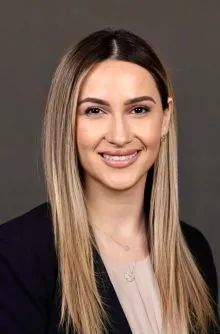
Transitioning into medicine felt like starting from scratch: new language, new culture, and constant imposter syndrome—especially as a medical student without a home cardiothoracic program or institutional connections. When I applied for the STS Looking to the Future Scholarship, I never believed I would be chosen. Before I knew it, I was attending cardiothoracic surgery's premier conference.
Attending STS 2025 was one of the most transformative weekends of my medical training. Every part of the program was intentionally designed to meet us at our current stage of training—students at the beginning of our path, trying to find our place in a field that can feel both inspiring and intimidating. From the structured luncheon conversations to the thoughtfully assembled panels, it was clear how much care went into creating a space where we felt both welcomed and seen.
The scientific sessions were exceptional, but what impacted me most were the human moments—the mentors who offered candid advice, the surgeons who shared their struggles along with their achievements, and trainees who, like me, were searching for belonging. For the first time, I felt the CT surgery community open its doors to someone with my background and my story.
It was the beginning of professional relationships that will shape my future as a trainee. For someone whose path into medicine began far outside the traditional pipeline, the Looking to the Future experience was more than an award. It gave me a sense of possibility.